The Perfect Lens is the one you are Comfortable with...
Every lens is unique and serves a specific purpose. Every lens also applies a particular style and thus creates different art. However, a lens that you know how to use and that works for the job you need it to will be your most useful lens. You need to be comfortable in choosing the right lens for the job before really diving deep into your creative genre. Below we will discuss some of the factors that play into deciding the right lens and then I will give you some personal recommendations especially tailored for weddings.
Understanding Focal Lengths
Focal Length/Full-Frame Focal Length APS-C Focal Length - Typical Usage
8mm - 5mm Fish-eye view that distorts edges and expands the image.
16mm - 11mm Super wide-angle views for photographing large objects.
24mm - 16mm A wide-angle view for capturing large groups of people.
35mm - 23mm A semi-wide-angle view great for full-body photos.
50mm - 33mm This is the best mid-range/indoors lens with lots of versatility.
85mm - 56mm Most flattering portrait lens for detail or mid-range shots.
120mm - 80mm Moderate telephoto lens for portraits or photojournalism.
200mm - 133mm Telephoto lens primarily for headshots and sports.
400mm - 266mm Super telephoto lens for sports and wildlife photography.
800mm+ - 586mm Extreme telephoto lens for sports, bird/wildlife, and paparazzi.
TIPS ON CHOOSING THE RIGHT LENS
PORTRAIT
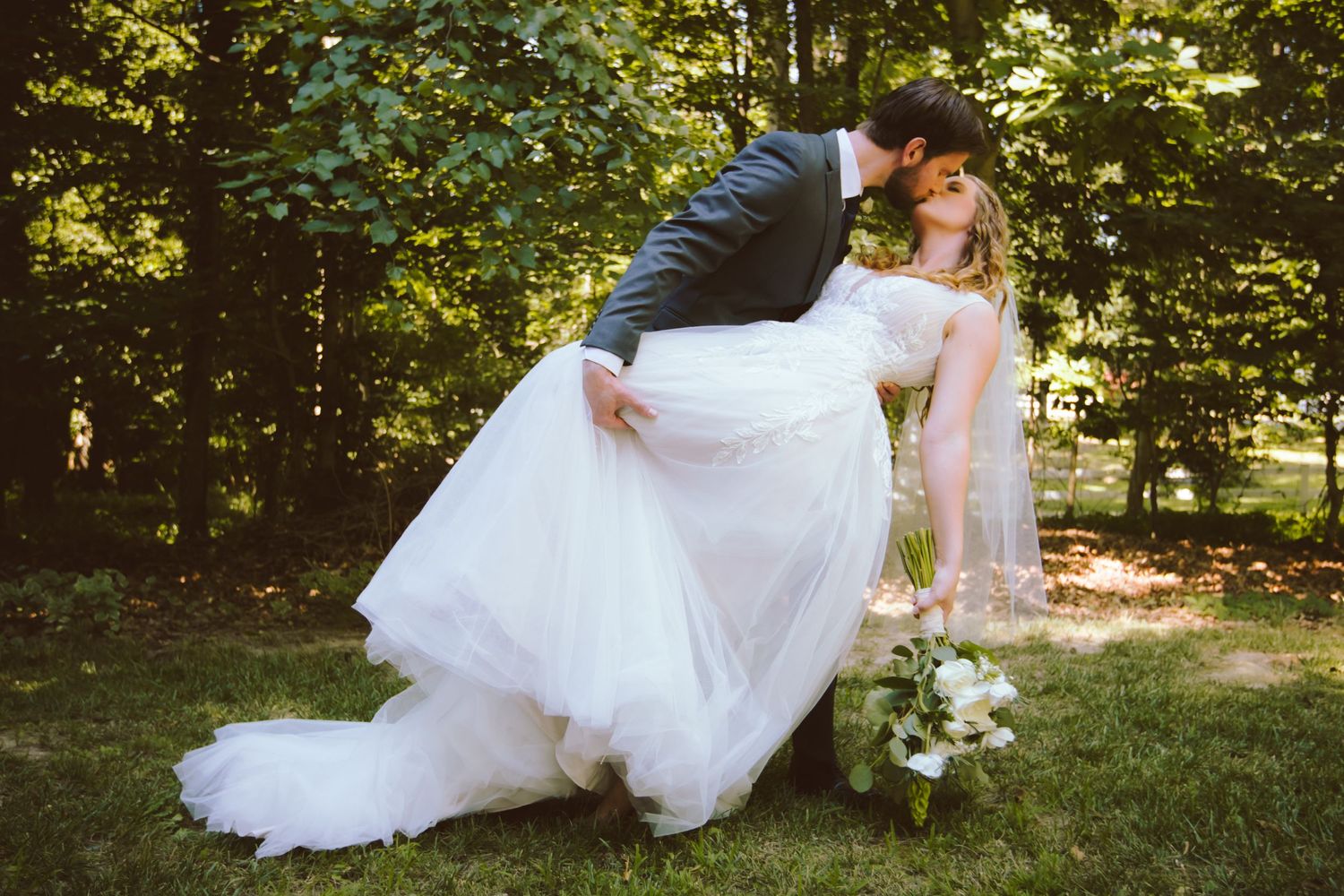
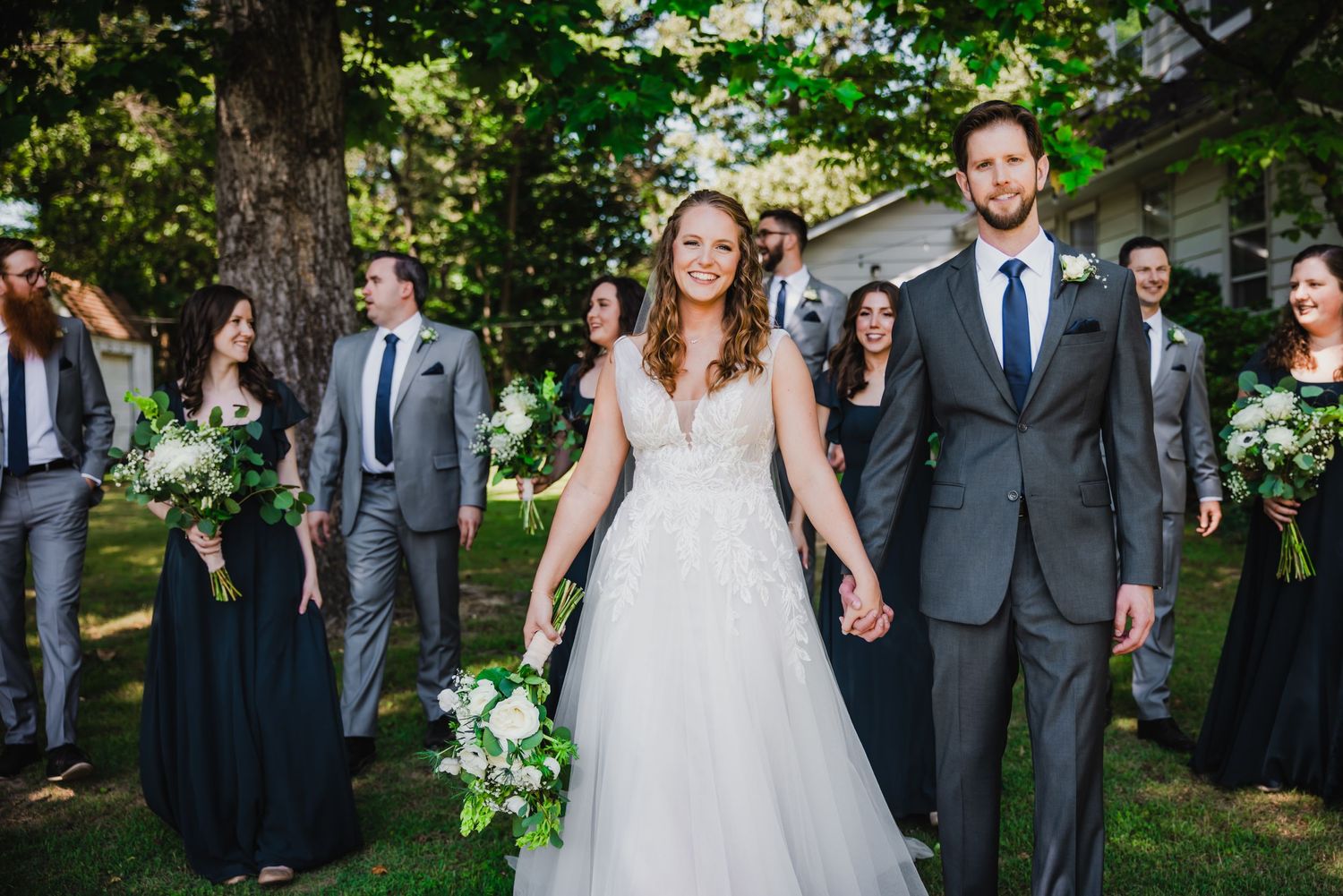
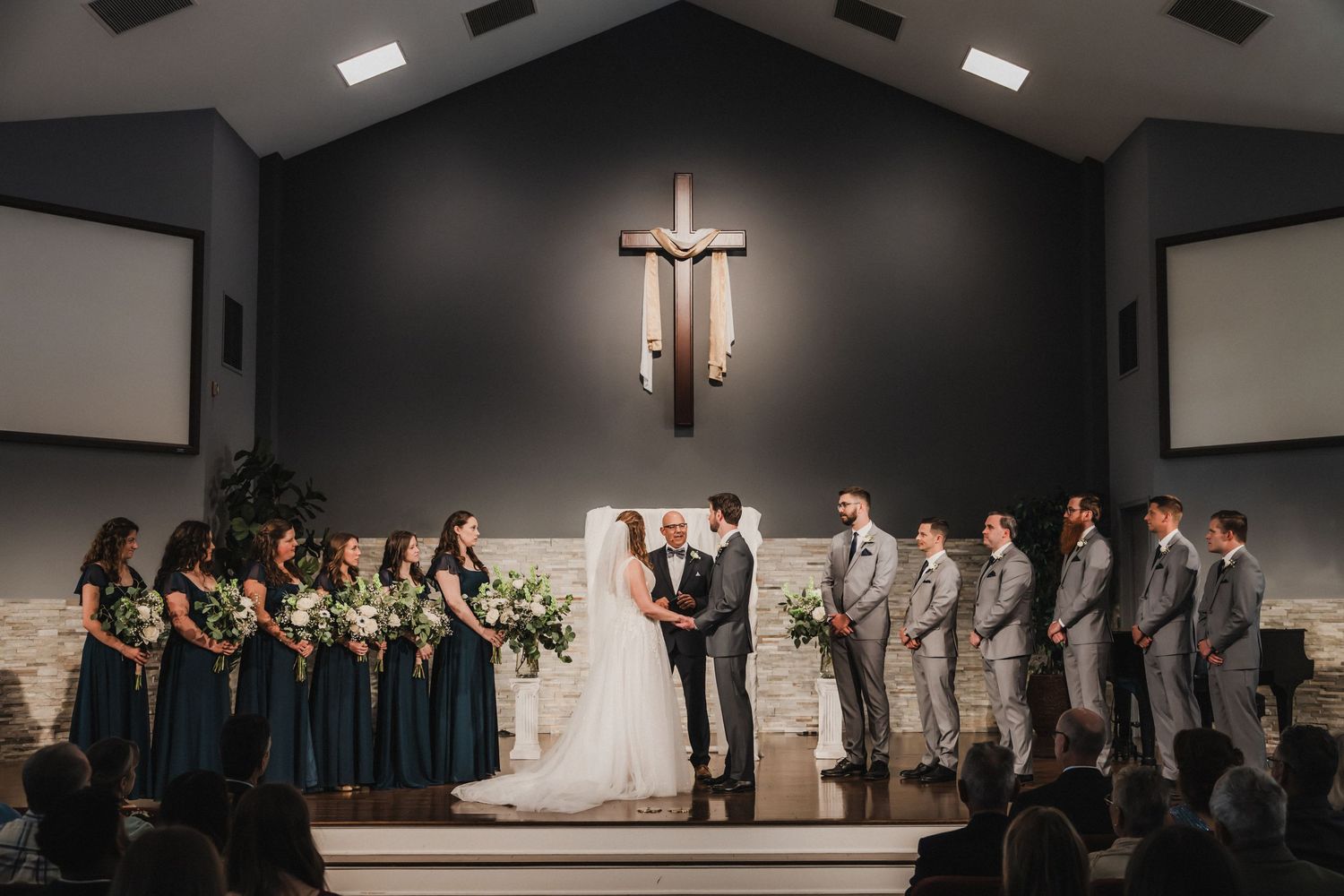
The best lens for portraits, more specifically for wedding portraits, is entirely based on the event that is being shot. For the ceremony and reception you generally want to be further away and use a 200mm lens to not interrupt. During every other period of the day use a 35mm, 50mm, or 85mm depending on what's a more comfortable distance for you.
APERTURE
Generally the best aperture setting is based on the amount of subjects or the artistic perspective of the photographer. During a wedding, the closer the shot is the more depth of field you will get. This is best achieved with a wide open aperture at a low f-stop such as f1.2 or f1.8. When shooting multiple subjects you should aim for a f4-f5.6 range and for large family portraits aim for f8-f11.
PRICE
A lot of lenses out there can be very expensive and especially so for a wider aperture. I would generally seek to only use a wider aperture if you truly know what you are doing. It's better to prioritize on a variety of lenses at first rather than focus on getting an expensive lens. However, when purchasing aim for quality over quantity if you can. The most important factors for choosing the right lens will be it's stability (stabilizer), aperture (f-stop), ruggedness, durability, capability (focal length), and versatility (zoom/prime).
VERSATILITY
For lenses, the ability for you to capture as much memories as possible is dependent on your skill with the lenses you possess. You can either focus on primarily using prime lenses for every job and work on your movement or just using a zoom lens to be more versatile. It really comes down to whether or not you want the maximum amount of versatility or you want quality shots with greater depth of field. This choice really depends on personal taste and expertise but I prefer to use a mix of both.
What's the difference between Prime and Zoom lens?
PRIME
Size and weight:
Small and light.
Portability:
A prime lens has a fixed focal length, so you might have to bring additional lenses to cover various shooting ranges.
Versatility:
The focal length is fixed and to change the angle of view, the camera has to be physically moved.
Price:
It's a cheaper option due to it's simpler construction.
Image Quality:
Sharp and crisp photos with great depth-of-field.
Speed:
Generally faster and easier to handle. Ideal for shooting fast-moving subjects.
ZOOM
Size and weight
Large and bulky.
Portability
You can just bring one zoom lens (instead of two to three prime lenses) that covers a large range of focal lengths.
Versatility
Can handle a variety of shooting situations with less physical movement.
Price
More expensive due to the additional elements built-in.
Image Quality
Standard quality and less depth-of-field.
Speed
Has a slower aperture but makes up for it with image stabilization features that allow the use of slower shutter speeds to take sharp photos of still objects.
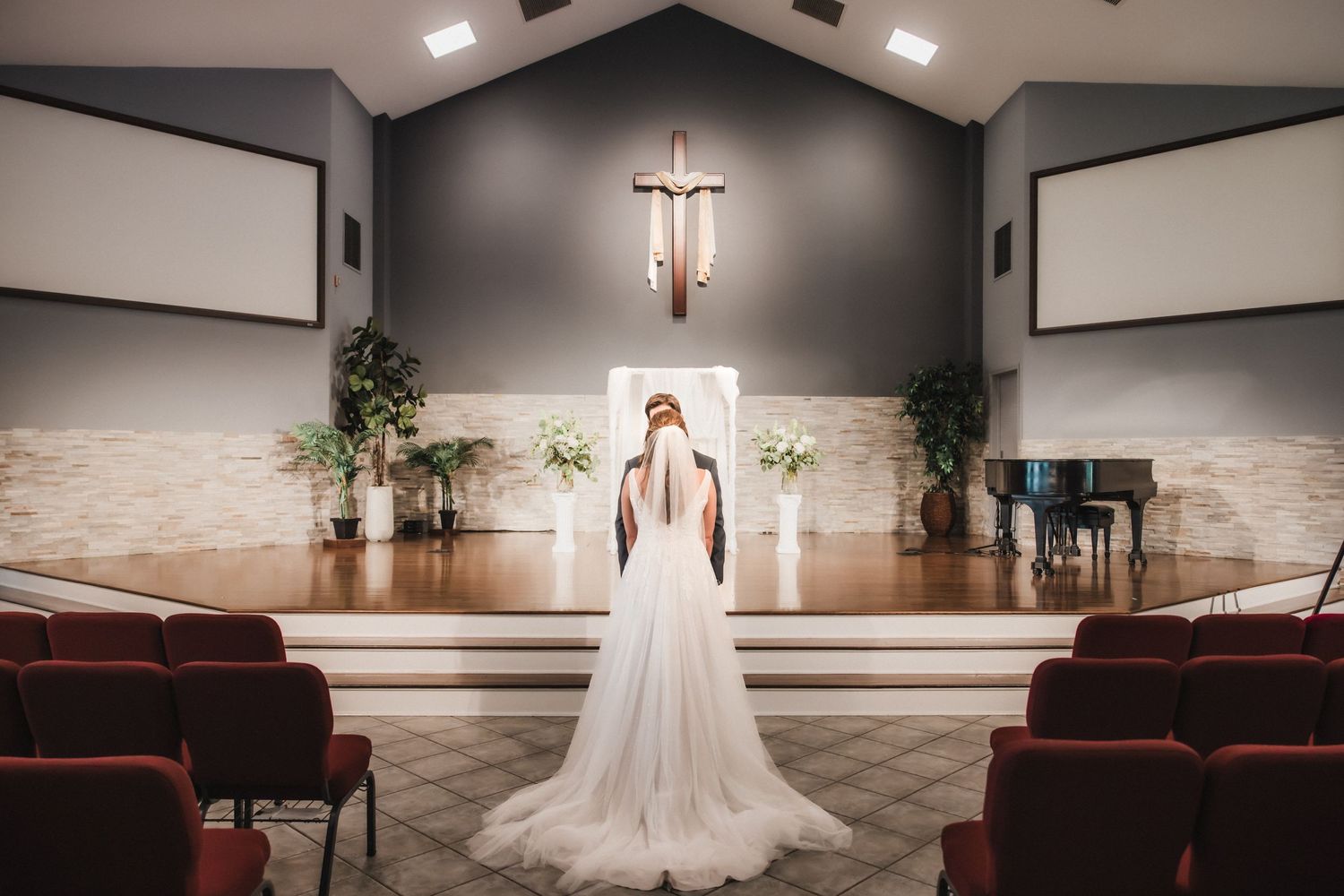
Combo Recommendations:
Best Quality:
35mm/85mm f1.2
This combo is the best for getting very high quality shots with amazing depth-of-field. The 85mm will be the best for portraits while the 35mm will be the best for wide scenes or landscape shots.
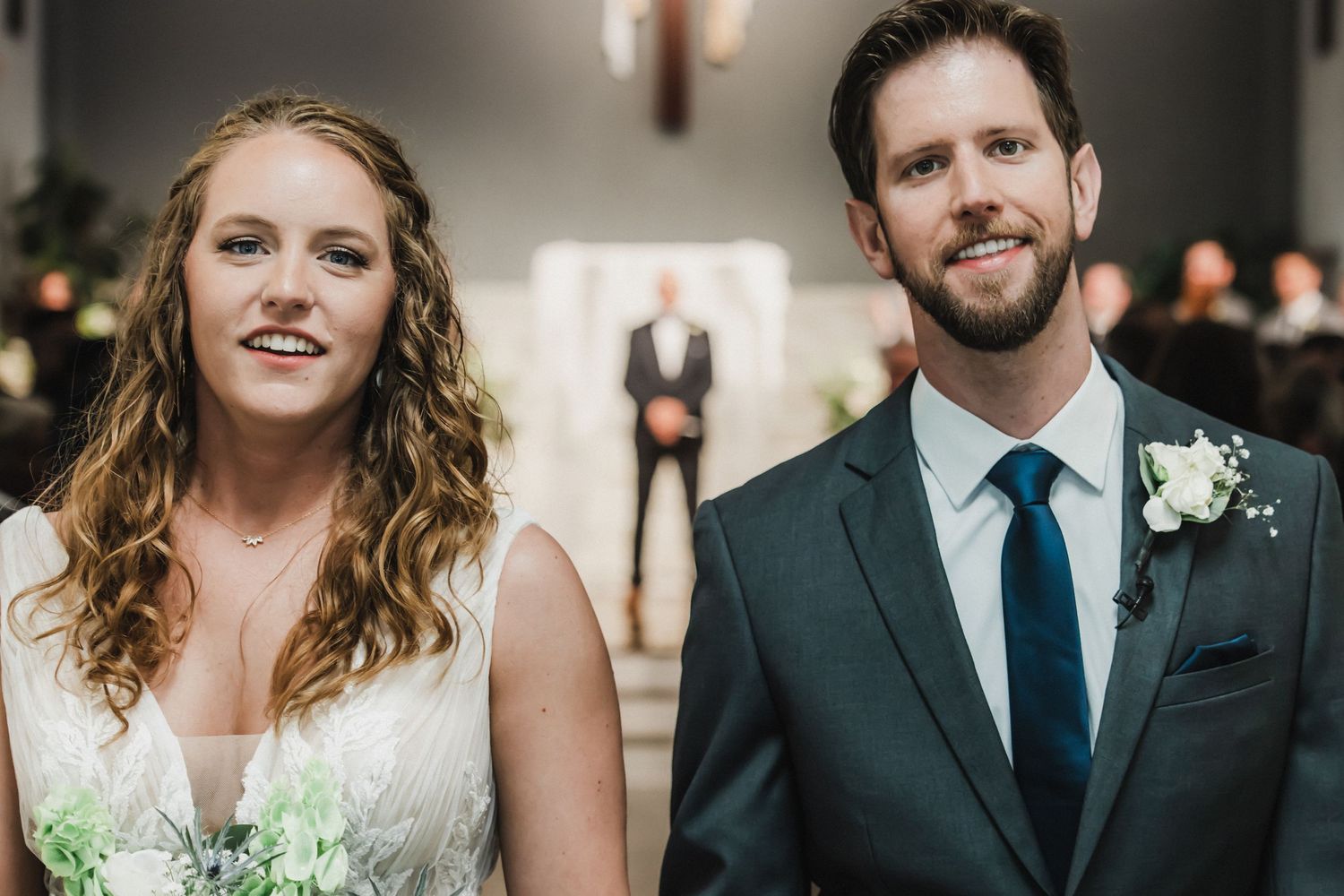
Best Versatility:
24-70mm/70-200mm f2.8
This is the ultimate pair for taking amazing photos in any kind of condition or situation. You won't miss a shot for not moving fast enough, you can always get wide shots, and you always have access to getting more in the frame per shot. The 24-70mm will be the primary lens while the 70-200mm works as the ceremony and reception specific option. Also has the bonus of being used for handheld video due to stabilization.
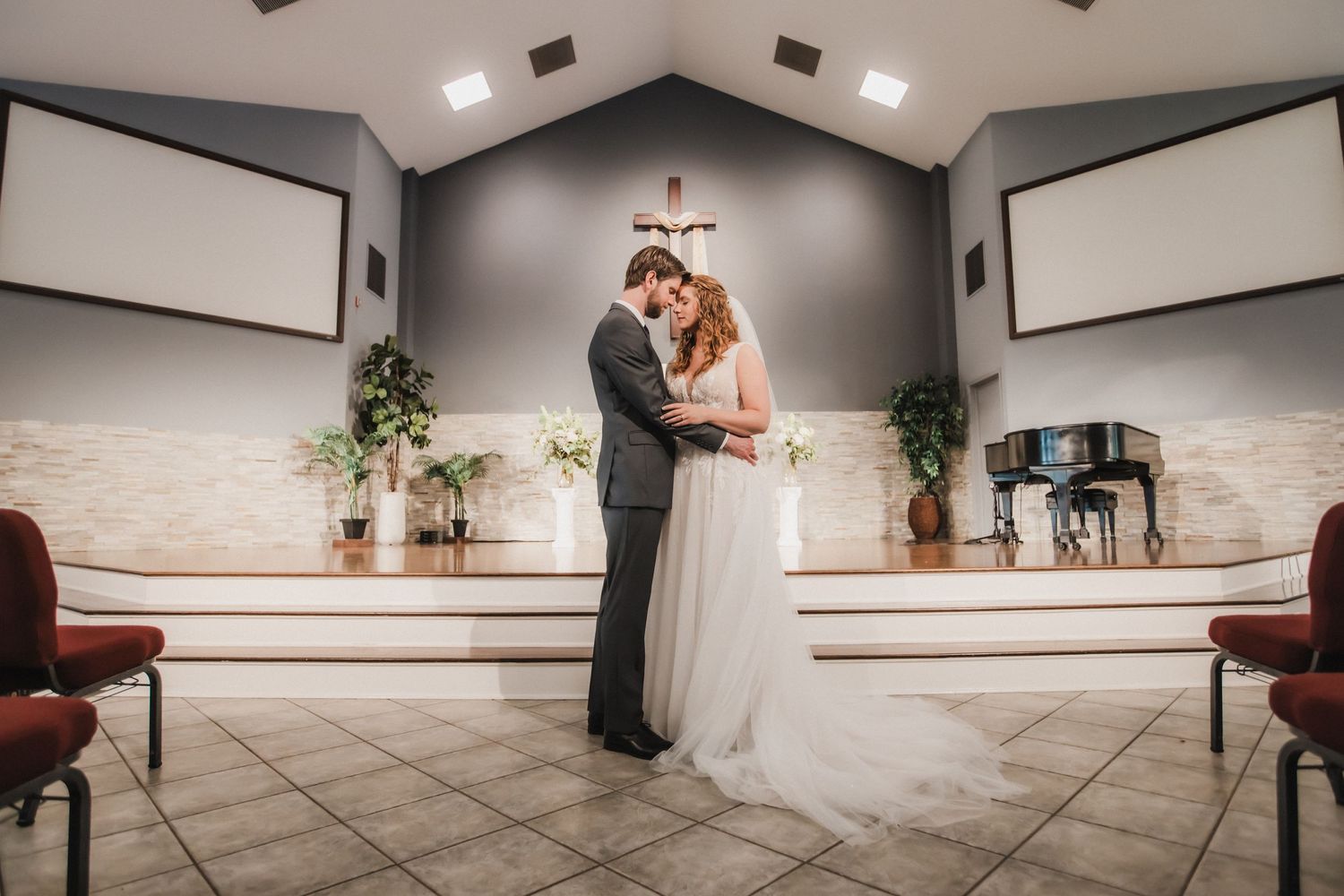
Balanced Option:
50mm f1.2/24-70mm f2.8
This a mix of quality and quantity that allows for working in pretty much any situation. For portraits you will have the 50mm with a wide aperture to take amazing shots even in tight spaces. For the ceremony and wider shots you will have the 24-70mm to cover anything you can't with the 50mm.
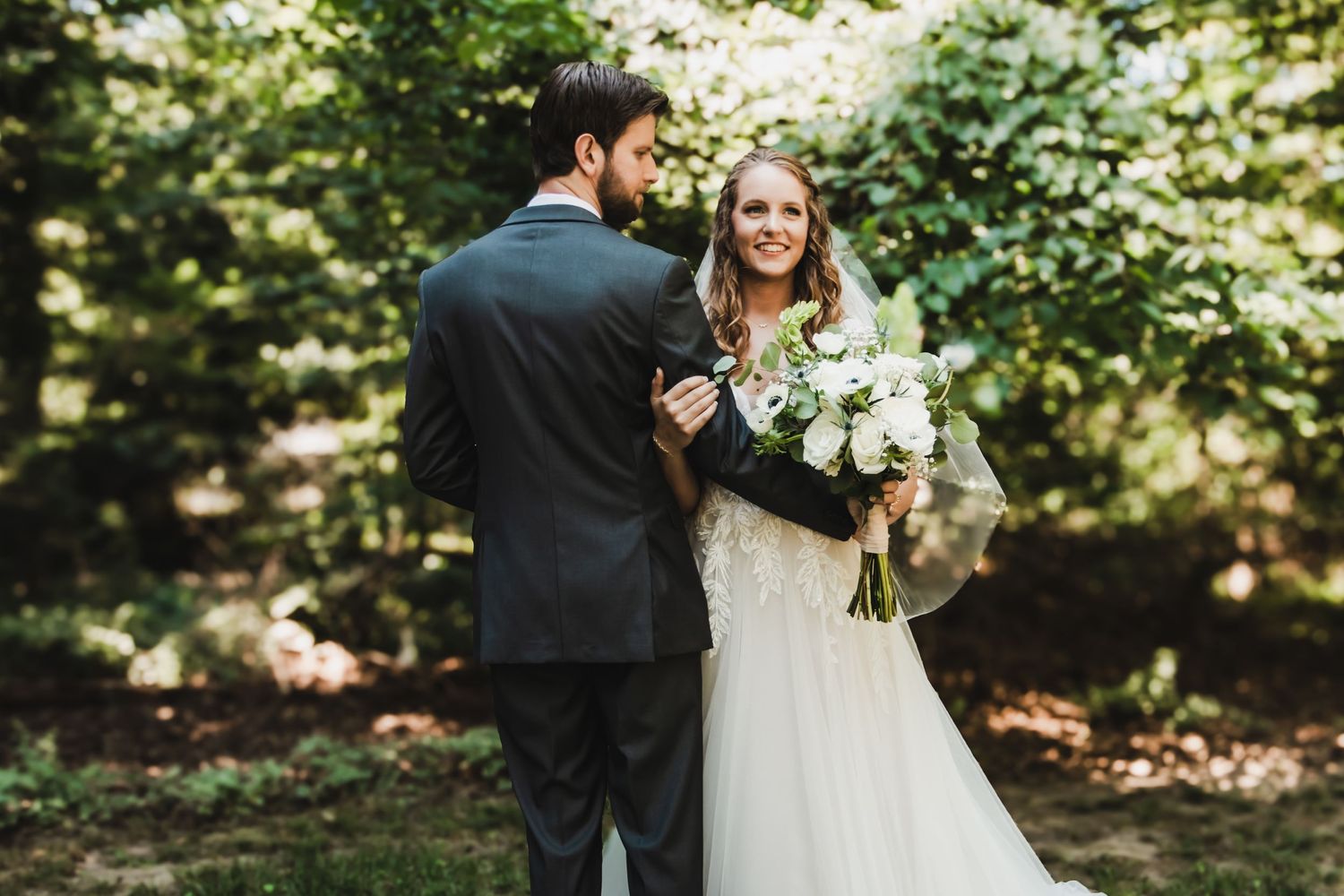
Personal Favorite/Final Thoughts
Personally I choose to take all of my lenses with me wherever I go and swap depending on the mood. However, my all time favorites to use are the 24-70mm f2.8 and the 85mm f1.2 as I feel this allows for the most flattering shots while also adding some video elements or wide shots.
Overall, the best lens is the one you like to use and a lens that helps you achieve the artistic goal you have in mind. It's also important to take into account what your subject or couple wants. Try mixing a variety of shots and lenses together to create something truly unique that matches your own aesthetic. Over time you will realize that a lens and a camera are just tools that help achieve the vision in our mind and should be treated as such.